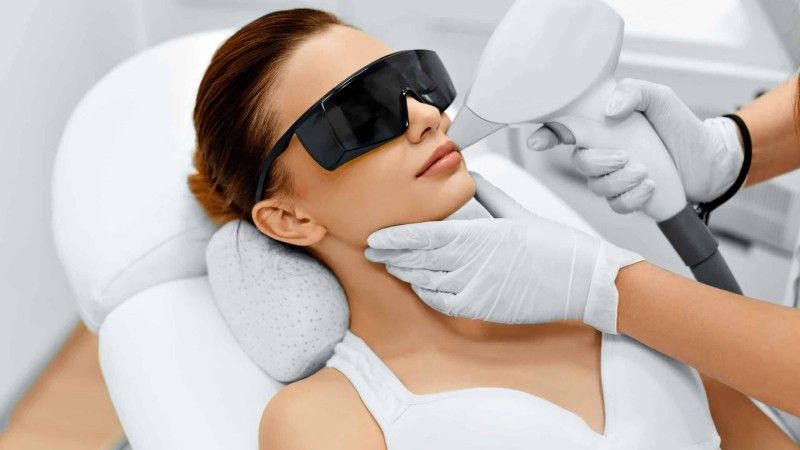
Advertisement

In the pursuit of beauty and health, skin anti-oxidation has become an important topic that modern people cannot ignore. With the influence of factors such as environmental pollution, ultraviolet radiation, life pressure and bad living habits.
The skin is facing unprecedented oxidative stress, which not only accelerates the skin aging process, but also may cause a series of skin problems, such as spots, wrinkles, sagging and sensitivity.
Therefore, it is of great significance to deeply understand the importance of skin anti-oxidation and adopt scientific and effective anti-oxidation strategies to maintain skin health and delay skin aging.
The root cause and harm of skin oxidation
In short, skin oxidation refers to the process in which skin cells are affected by endogenous and exogenous factors, produce too many free radicals, and the body's antioxidant system cannot remove these free radicals in time, resulting in damage to the structure and function of skin cells.
Free radicals are highly active molecules or atomic groups that can attack proteins, lipids and DNA in the skin, triggering a series of chain reactions, and ultimately leading to skin aging, increased inflammation and decreased immune function.
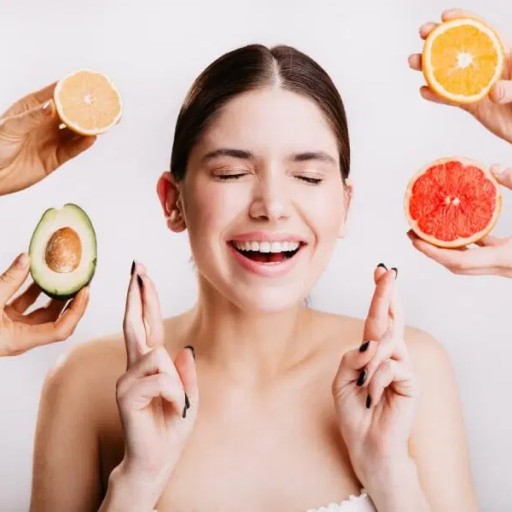
The harm of skin oxidation is multifaceted:
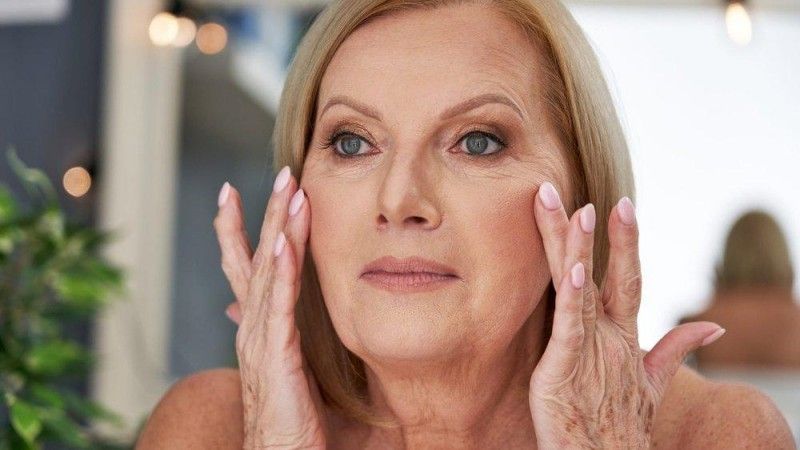
Accelerated aging: Free radicals destroy collagen and elastic fibers, causing the skin to lose elasticity and firmness, and accelerate the formation of wrinkles and sagging.
Pigmentation: Free radicals stimulate melanocytes to become overactive, leading to pigment problems such as spots and freckles.
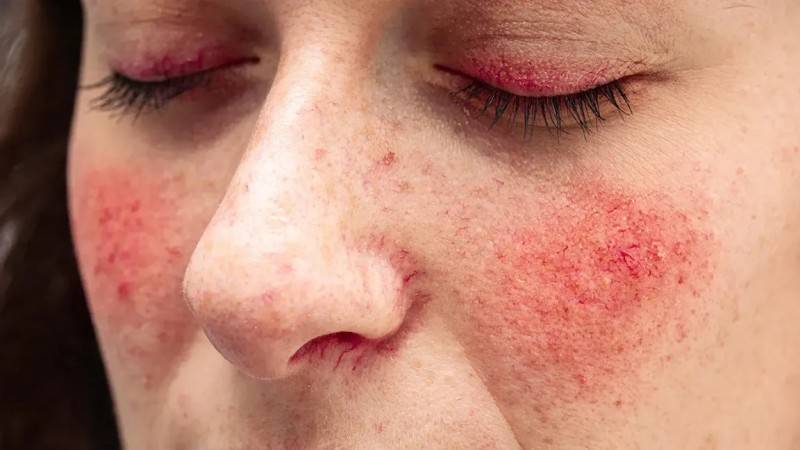
Damaged barrier: The lipid layer on the surface of the skin is damaged, resulting in increased water loss, and the skin becomes dry and sensitive.
Inflammatory response: Free radicals promote inflammatory response, exacerbating the occurrence of skin problems such as acne and eczema.
The importance of skin antioxidants
Antioxidation, that is, by taking or applying antioxidants, helps the skin neutralize free radicals and reduce oxidative stress, thereby protecting skin cells from damage and maintaining the health of the skin. The importance of skin antioxidants is reflected in the following aspects:
Delaying skin aging: Antioxidants can protect collagen and elastic fibers, reduce wrinkles and sagging, and keep the skin young.
Reduce pigmentation: Antioxidants can inhibit the activity of melanocytes, reduce the formation of spots, and brighten the skin.
Strengthen the skin barrier: Antioxidants help repair the lipid layer on the surface of the skin, enhance the skin's ability to retain moisture, and reduce water loss.
Advertisement
Reduce inflammatory response: Antioxidants can regulate the skin's immune system, reduce inflammatory response, and promote skin healing.
To achieve skin anti-oxidation, it is necessary to start from both internal and external aspects and take comprehensive measures:
1. Endogenous anti-oxidation
Balanced diet: Eat more foods rich in antioxidants, such as blueberries, green tea, tomatoes, nuts, etc. These foods are rich in antioxidant ingredients such as vitamin C, vitamin E, polyphenol compounds, etc.
Sufficient sleep: Good sleep helps the body detoxify and repair, enhances the activity of antioxidant enzymes, and reduces the production of free radicals.
Moderate exercise: Exercise can promote blood circulation, accelerate metabolism, and help excrete waste and free radicals in the body.
Reducing stress: Long-term stress can cause the body to produce more free radicals. Therefore, learning to relax, such as meditation, yoga, etc., can help reduce oxidative stress.
2. Exogenous anti-oxidation
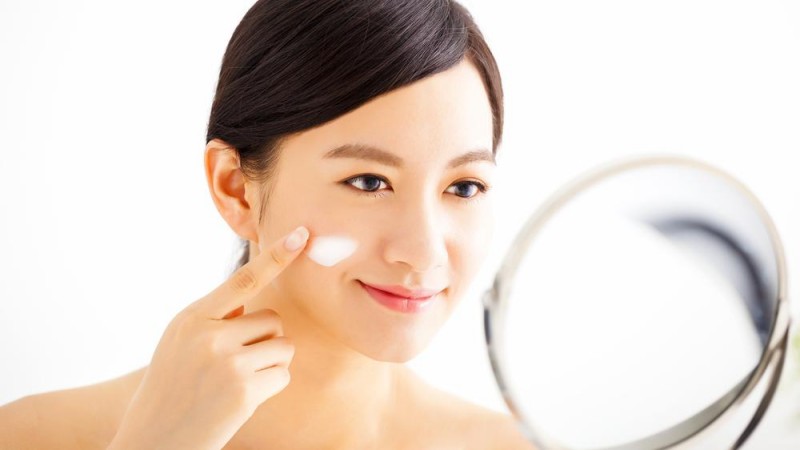
Use antioxidant skin care products: Choose skin care products containing antioxidant ingredients such as vitamin C, vitamin E, coenzyme Q10, green tea extract, etc., which can effectively neutralize free radicals on the skin surface and protect the skin from external damage.
Sun protection: UV rays are one of the main exogenous factors of skin oxidation. Therefore, applying sunscreen every day and avoiding prolonged exposure to the sun are the key to protecting the skin from oxidative damage.
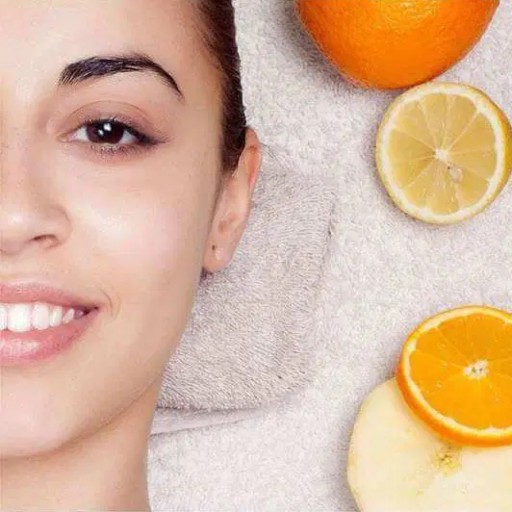
Avoid environmental pollution: Minimize exposure to secondhand smoke, car exhaust and other pollution sources, use air purifiers to keep indoor air fresh.
Professional skin care treatments: Medical beauty methods such as photorejuvenation and water light needles can improve the skin's antioxidant capacity to a certain extent, but they need to be carried out under the guidance of professional doctors according to personal conditions.
In the process of pursuing skin antioxidants, we should avoid falling into some common misunderstandings:
Blindly pursuing high-concentration antioxidants: It is not that the higher the concentration, the better the effect. Excessive concentration may irritate the skin and cause allergic reactions.
Ignore individual differences: Different people have different skin types, ages, and health conditions, and their needs and reactions to antioxidants are also different. They should choose appropriate products according to their personal conditions.
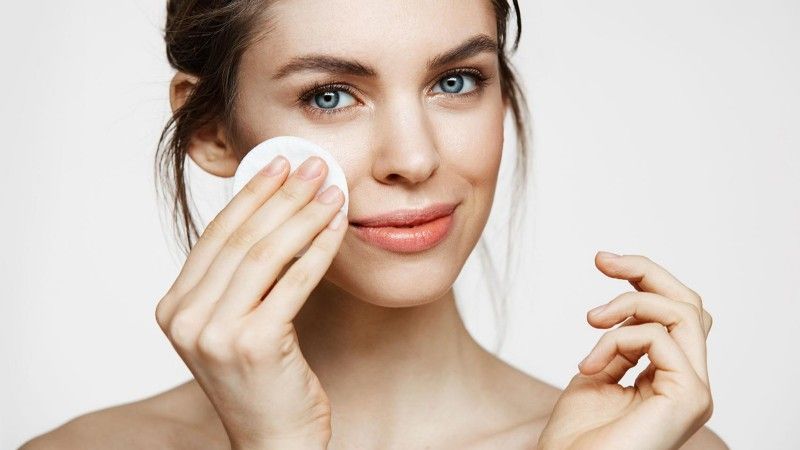
Ignore basic skin care: Antioxidation is part of skin care, but it cannot replace basic skin care steps such as cleaning and moisturizing.
Skin anti-oxidation is a long-term battle that requires our continuous efforts in daily life. Through a reasonable diet, a healthy lifestyle and scientific skin care, we can jointly build the skin's anti-oxidation defense line, protect youthful radiance, and make the skin radiant with health and vitality.
Advertisement