Advertisement

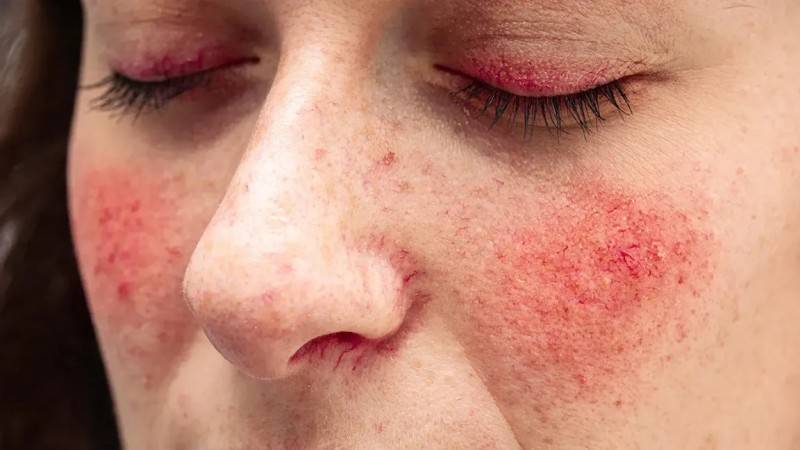
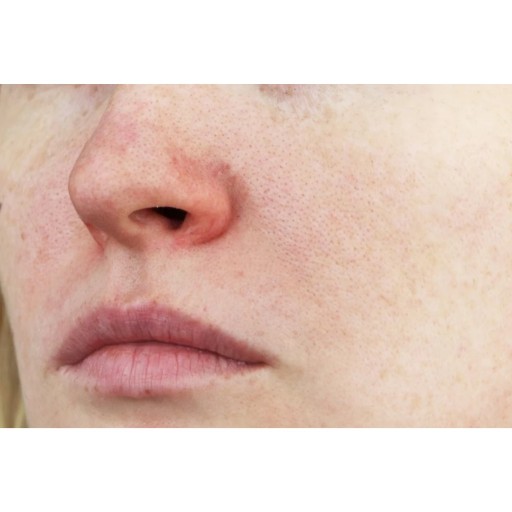
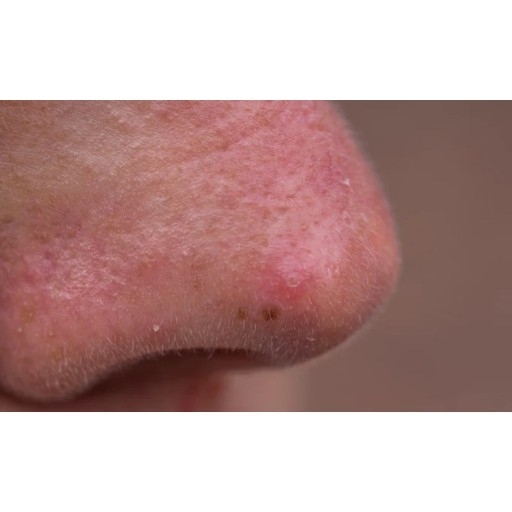
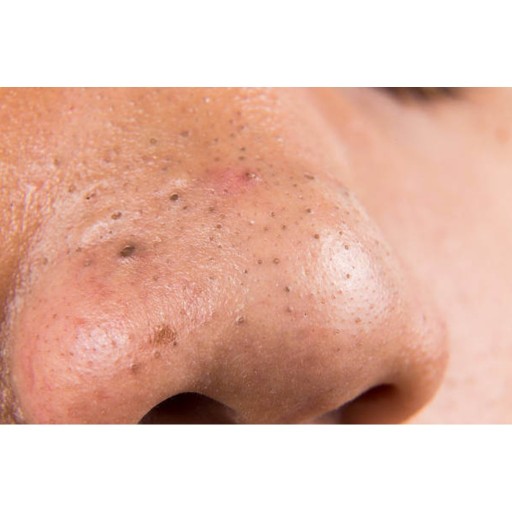
Rosacea, also known as rosacea, is a common chronic skin problem that manifests itself in the form of redness, pimples, dilated capillaries in the center of the face, and even hyperplasia of the nasal tissues, which can lead to psychological distress in severe cases.
Although the exact cause of rosacea is not yet fully understood, studies have shown that its occurrence is closely related to genetics, immune abnormalities, microbial infections, and environmental factors.
Causes of rosacea
The formation of rosacea is the result of a combination of factors. First, a genetic background is thought to underlie susceptibility to rosacea, and some patients may be more susceptible to the disease because of similar symptoms in their family.
Secondly, an unstable immune system may lead to abnormal reactions of the facial skin to microorganisms, such as helminth mites or certain bacteria, further triggering inflammation.
Environmental factors should not be overlooked as well. Ultraviolet light, temperature stimulation, and spicy food intake can stimulate dilation of the facial capillaries, exacerbating symptoms.
In addition, rosacea may be associated with impaired skin barrier function. While the normal skin barrier has the function of retaining moisture and blocking harmful substances, the skin of rosacea patients tends to have a weaker barrier function, resulting in irritants invading the deeper layers of the skin more easily, triggering sensitivity and redness.
The key to improving rosacea: scientific care
Although rosacea cannot be completely cured, scientific care and healthy lifestyle adjustments can significantly relieve symptoms and improve quality of life. To improve rosacea, you should start from the following aspects:
1. Gentle skin cleansing, avoiding irritation
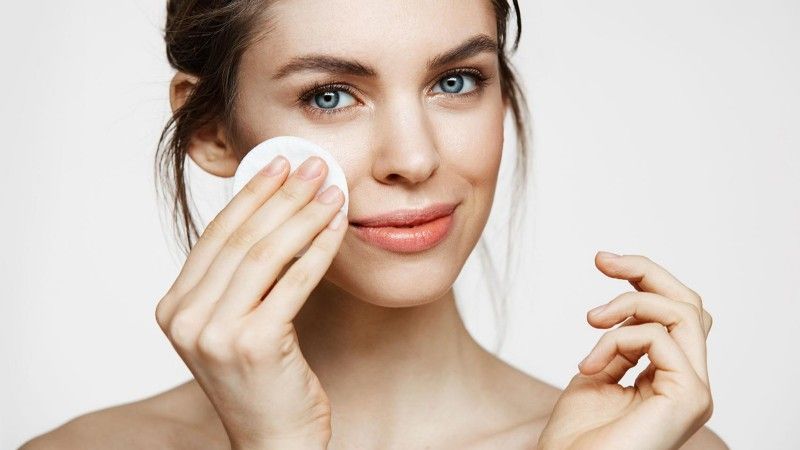
For rosacea patients, facial skin is particularly sensitive, so it is important to choose a gentle cleansing method. Avoid cleansers or soaps with strong cleansing ingredients, as these products may damage the skin barrier and exacerbate sensitivity and erythema. Also, avoid excessive rubbing or washing your face with hot water when cleansing to minimize capillary irritation.
It is recommended to choose alcohol- and fragrance-free cleansing products when cleansing, and rinse with lukewarm water. In addition, the number of cleansing should be controlled at two times a day, to maintain the water and oil balance of the skin.
2. Pay attention to sunscreen to avoid UV damage
Ultraviolet rays are one of the common triggers for the aggravation of rosacea symptoms. Therefore, rosacea patients should pay great attention to sun protection measures.
For outdoor activities, it is recommended to use sunscreen with physical sunscreen function, choose products with moderate SPF value, and wear wide-brimmed hats or umbrellas to avoid direct exposure of the skin to strong sunlight.
It should be noted that the choice of sunscreen should be gentle, avoiding products containing alcohol, fragrances or other irritating ingredients that may induce a sensitive reaction.
3. Adjust diet and reduce the intake of irritating foods
Dietary habits are closely related to the onset of rosacea. Spicy, oily and hot foods tend to stimulate the dilation of facial blood vessels, inducing redness and burning sensation. Therefore, patients are advised to minimize the intake of such foods and switch to a light, vitamin-rich diet such as fresh fruits and vegetables, whole grains and low-fat proteins.
In addition, alcohol and caffeine are common triggers and should be consumed in moderation or avoided. These ingredients may aggravate facial flushing by dilating capillaries.
Advertisement
4. Moisturize and repair to strengthen the skin barrier
Damage to the skin barrier is an important factor in the exacerbation of rosacea, so moisturizing and repairing is a priority in daily care.
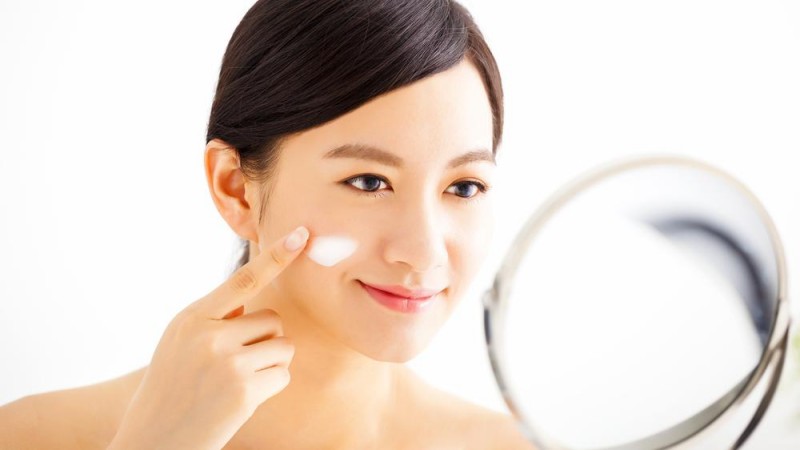
Choose moisturizers that do not contain harsh ingredients to help the skin lock in water and repair the barrier function. Products containing ingredients such as ceramides, hyaluronic acid and glycerin can effectively enhance the skin's ability to moisturize.
The use of moisturizing products should follow the principle of “a small amount of time”, especially in the dry season or long-term air-conditioned environment, timely replenishment of water can alleviate skin dryness and tightness.
5. Moderate exercise to improve blood circulation
Moderate aerobic exercise can help improve blood circulation and metabolic function of the whole body, as well as relieve mental stress. However, for rosacea patients, the intensity of exercise and the choice of environment need extra attention.
High-intensity exercise is likely to trigger facial heating and flushing, so it is advisable to choose low-intensity exercise of shorter duration, such as yoga, walking or relaxing swimming.
Also, avoid exercising in hot or cold environments, especially in strong winds or hot sun, which may cause additional irritation to sensitive facial skin.
Psychological Adjustment and Stress Management
More than just a physical condition, rosacea can have a profound effect on a patient's mental health. Some patients may experience low self-esteem or even anxiety due to facial skin problems, so psychological adjustment is equally important in improving rosacea.
Maintaining a good state of mind and a positive attitude towards life can relieve stress through meditation, reading, and communicating with friends. At the same time, seek help from professional counseling when needed to better cope with emotional distress.
Common Misconceptions to Avoid
In the process of improving rosacea, patients are prone to fall into some misconceptions due to their eagerness to seek treatment. Here are a few common missteps:
Trying different skincare methods frequently: Changing skincare products frequently or trying various “Netflix” treatments may cause greater irritation to sensitive skin.
Blindly use creams: without professional medical guidance, the unauthorized use of hormone creams may lead to skin dependence and rebound erythema.
Neglecting sun protection: Some patients mistakenly believe that sun protection is irrelevant, leading to exacerbation of symptoms.
The need for professional treatment
If the symptoms of rosacea are more severe or have not been relieved for a long time, you should seek professional treatment. A dermatologist can develop a customized treatment plan based on the patient's specific symptoms, including topical medications, oral antibiotics, or physical therapy.
These treatments are effective in controlling inflammation and reducing redness and pimples, but should be used safely under medical supervision.
As a chronic skin problem, rosacea, despite its long duration, can be significantly improved in most patients through scientific care and healthy lifestyle modifications. The key to improvement lies in understanding its causes, avoiding triggering factors, and adhering to gentle skin care and healthy lifestyle habits.
At the same time, seeking professional help in a timely manner is also an effective means of controlling the condition. Through all-round efforts, rosacea sufferers can gradually regain their skin health and meet every day of their lives with confidence.
Advertisement