Advertisement

As we age, our skin will gradually develop wrinkles, sagging, dryness and other problems, and older Americans are paying more and more attention to skin care.
However, in the process of skin care, many seniors have some misunderstandings, these misunderstandings may not only fail to achieve the desired maintenance effect, and may even cause damage to the skin. The following are the top five myths about skin care for older Americans.
Over-cleansing the skin
Many older Americans believe that their skin must be kept highly clean in order to prevent disease and maintain a healthy appearance, so they frequently use powerful cleansing products to wash their faces and bathe.
In fact, older adults have reduced skin oil production and relatively weaker skin barrier function. Excessive cleansing removes the natural oils on the skin surface and destroys the skin's moisturizing barrier, leading to dry, itchy skin and even inflammation.
For example, frequent use of facial cleansers and soaps containing high concentrations of alcohol or strong alkaline ingredients can imbalance the pH value of the skin, further weakening the skin's ability to protect itself.
The correct approach is to choose a mild cleaning products, such as cleansing milk containing natural moisturizing factors, and the number of times a day to wash your face should not be too much, generally morning and evening each can be.
Bathing water temperature should not be too high, the time to control the 10 - 15 minutes or so, to avoid the use of rubbing towel excessive rubbing skin.
Focusing only on facial skin care
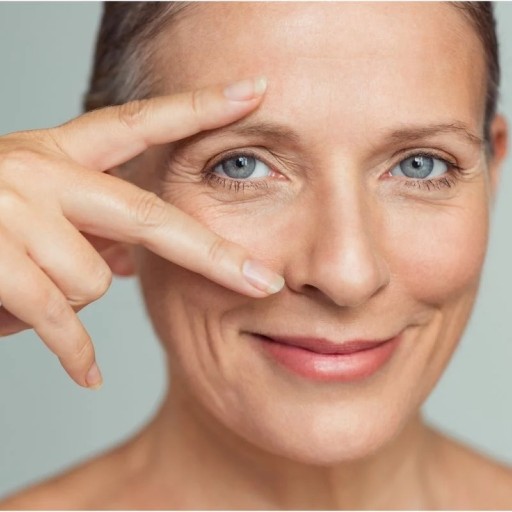
The face is the focus of daily attention, but many older Americans neglect the maintenance of other parts of the body skin. Skin on the body, such as the hands, neck, back, and legs, can also become problematic as we age.
Hands are often exposed and are susceptible to ultraviolet damage and dry environments, resulting in rough skin and increased wrinkles; neck skin is thin and often active, and is prone to laxity and wrinkles;
Back skin, if rubbed by clothing for a long period of time and lack of care, may itchy, dry, flaky and so on; and the skin on the legs may be due to poor blood circulation, resulting in dull, dry skin.
Elderly people should set up a whole body skin care awareness, in the application of skin care products, not only limited to the face, hands should be frequently applied hand cream, neck can use special neck cream and with the upward massage techniques.
The rest of the body can be applied after bathing moisturizing body lotion, in order to maintain moisture and elasticity of the whole body skin.
Advertisement
Over-reliance on anti-aging products
The market for anti-aging products in the U.S. is very well developed, and many seniors are influenced by advertising campaigns and rely excessively on a variety of anti-aging products in the expectation that they will quickly reverse the signs of skin aging.
However, not all anti-aging products can deliver the miraculous results claimed. Some anti-aging products contain active ingredients such as retinol and peptides, etc.
Although they can promote collagen production and reduce wrinkles to a certain extent, overuse may cause skin allergies, redness and swelling, and other adverse reactions.
Moreover, skin aging is a complex physiological process, subject to genetics, environment, lifestyle and other factors, rely only on the external use of anti-aging products can not completely solve the problem.
When choosing anti-aging products, the elderly should choose products with mild ingredients and clinically proven according to their skin type and needs, and follow the principle of moderate use.
At the same time, maintaining a healthy lifestyle, such as a balanced diet, moderate exercise and adequate sleep, is equally important for slowing down skin aging.
Ignoring the importance of sun protection
Some older Americans believe that only young people need sun protection, or feel that they are old enough that a tan or sunburn is irrelevant. In fact, UV rays are one of the main causes of skin aging.
Regardless of age, prolonged exposure to UV rays accelerates the formation of wrinkles, leads to sagging of the skin, increases pigmentation, and increases the risk of skin cancer. Even if seniors spend most of their time indoors, UV rays can still cause skin damage through window glass.
When outdoors, seniors should apply broad-spectrum sunscreen, choose products with appropriate SPF values (generally SPF 30 - 50 is sufficient), and pay attention to regular reapplication; at the same time, wearing a wide-brimmed hat, sunglasses, wearing sun-protective clothing, and other physical sun protection measures are also indispensable.
Lack of attention to skin checkups
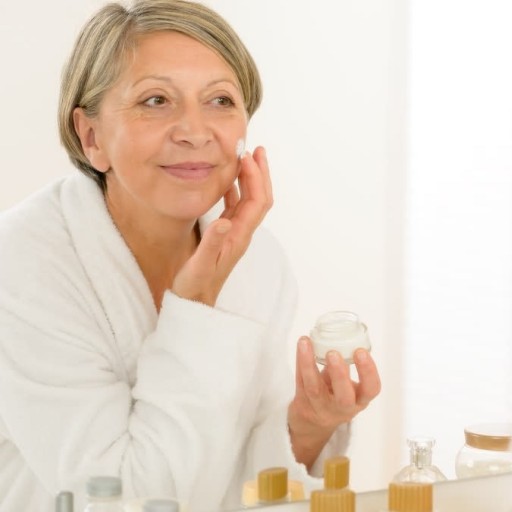
Many older Americans only pay attention to the appearance of the skin's surface during skin care, but neglect skin health checkups. As we age, the incidence of skin diseases gradually increases, such as skin cancer, age spots malignant lesions, eczema, psoriasis and so on.
Some skin lesions may only manifest as mild rashes, pigmentation changes or skin thickening in the early stages, which may delay the condition if not examined and diagnosed in time.
Elderly people should carry out regular skin self-examination, such as checking the skin of the body once a month, paying attention to whether there are any newly appeared spots, lumps, ulcers, color changes or changes in the original rash.
In addition, at least once a year for a professional dermatologist examination, especially with a family history of skin cancer, long-term exposure to the sun or a history of chronic skin diseases of the elderly, should pay more attention to the skin health examination, in order to early detection and treatment of skin diseases, to protect the skin health.
American seniors in the skin care process, should avoid falling into these misunderstandings, set up a correct concept of skin care, the use of scientific and reasonable maintenance methods, combined with a healthy lifestyle, in order to truly maintain the health and beauty of the skin, so that they have a good skin condition in their later years, to enhance the quality of life.
Advertisement