Advertisement

Moles are the "marks" on many people's bodies. Almost everyone can find one or two or even more. Some of them are born with beautiful decorations.
It may be a unique charm that embellishes our face; it may also become a trouble, making people unconfident, or it may become a hidden danger to our beauty or even health. Faced with these moles of different shapes, should we choose to "remove" or "keep"? Is laser, surgery and natural removal worth a try?
In today's technologically advanced world, laser, surgery and natural treatments provide a variety of options for removing moles, but are they worth trying? How can we find a balance between beauty and health? Today, let us fully interpret the "removal" and "keeping" of moles to help everyone make a wise decision.
Classification and impact of moles: the first step to remove or keep
First of all, understanding the nature of moles is the key to deciding whether to remove or keep. Moles are usually divided into two categories: benign and malignant:
Benign moles: usually round or oval, with clear boundaries and uniform color, and will not expand or cause health problems. This type of mole generally only affects the appearance and does not require special treatment.
Malignant moles: such as malignant melanoma, may have irregular shapes, uneven colors, rapid growth and other characteristics. Such moles must be vigilant and it is recommended to seek medical treatment as soon as possible.
Congenital moles: exist at birth, and some large moles need regular examinations to prevent cancer.
If your mole does not have obvious health risks, but affects your self-confidence or quality of life, then "removing" or "keeping" depends more on your personal aesthetic needs and psychological feelings.
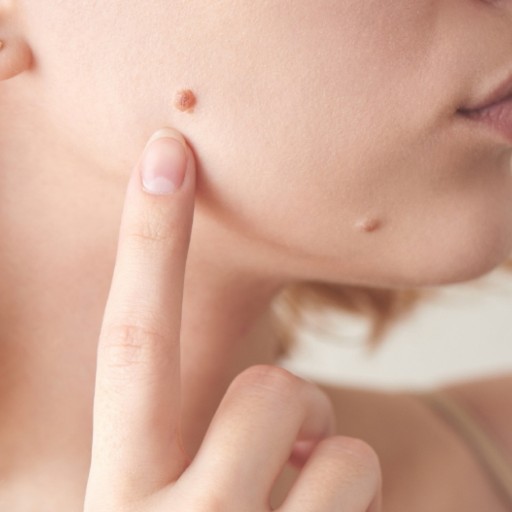
Laser mole removal: efficient but requires caution
Laser technology is currently one of the most popular ways to remove moles. Its main principle is to break up the pigment through high-energy beams so that it can be naturally metabolized by the skin. It is suitable for small, superficial benign moles.
Advantages:
Fast and painless: the process only takes a few minutes, and the pain after surgery is mild.
Fast recovery: most people can heal within a few days to two weeks, with almost no scars.
Non-invasive: no surgical incision is required, and the risk of infection is low.
Disadvantages:
Limited scope of application: cannot remove larger or deep moles.
Possibility of recurrence: Some moles with darker pigments may grow repeatedly and require multiple treatments.
Need professional diagnosis: For some moles, laser treatment may mask potential risks before the nature is clear.
Laser is an ideal choice for those who are looking for a quick aesthetic improvement. But make sure the operation is performed by a professional doctor to avoid scarring or other problems due to improper treatment.
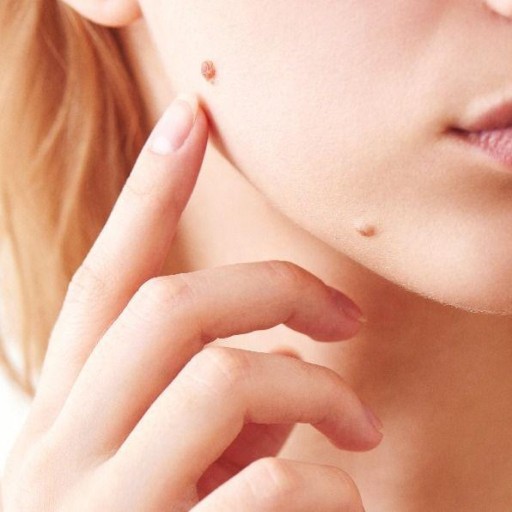
Surgical excision: safe and thorough but more suitable for special cases
Surgical excision is the main choice for moles that are larger, deeper or have the potential to be malignant. Doctors usually use local anesthesia, make incisions around the mole and suture to ensure that the mole is completely removed.
Advantages:
Complete removal: Especially for malignant moles or moles suspected of cancer, surgical excision is the safest option.
Pathological examination: After surgical excision, the mole can be pathologically analyzed to rule out health risks.
Disadvantages:
Long recovery time: It takes one to two weeks to heal after surgery, and stitches may need to be removed.
Risk of scarring: Especially for the face or other obvious parts, permanent scars may be left.
Higher cost: Compared with laser, surgery is more expensive.
Therefore, surgical removal is more suitable for situations where health considerations take precedence over aesthetics, such as suspected malignant moles or benign moles with greater impact.

Natural remedies: attractive but questionable
Advertisement
There are many natural mole removal methods circulating on the Internet, such as using apple cider vinegar, garlic, vitamin E, castor oil, etc. These methods claim to achieve the removal effect by "corroding" or "inhibiting" the growth of moles.
Advantages:
Low cost: Most materials can be found at home without additional costs.
Easy to operate: No professional equipment or medical technology is required.
Disadvantages:
Limited effect: Benign moles may not have any effect, and deep moles are almost impossible to remove naturally.
High risk: Improper operation may cause skin damage, infection, and even induce lesions.
Lack of scientific basis: There is currently no conclusive research to support the safety and effectiveness of natural remedies.
For those who want to "try", it is recommended to think twice before acting, especially not to take risks with malignant moles.

Post-removal care: the key to healthy skin
No matter what method is used, the post-mole removal care directly affects the recovery effect. The following are general care suggestions:
Wound care
Use non-irritating saline when cleaning the wound, and avoid using irritating chemicals.
Sun protection measures
The skin is fragile after the mole is removed, so avoid direct sunlight to prevent pigmentation.
Avoid scratching
Do not touch or scratch with your hands during the scab period to avoid leaving scars.
Dietary adjustment
Intake of foods rich in vitamins C and E, such as lemons and nuts, can help the skin recover.
Choose a professional institution
After removing the mole, strictly follow the doctor's instructions to care for the wound, avoid sunburn and strong friction, and ensure that the skin heals smoothly. Whether it is laser or surgical mole removal, it needs to be performed in a regular medical institution to ensure safety and effectiveness.
How to weigh the difference between going and staying?
In the end, whether you choose to "go" or "stay", the following factors should be taken into consideration:
Health: If there are any suspected malignant characteristics, consult a doctor as soon as possible.
Aesthetic needs: Make it clear whether your self-confidence or daily life is affected by the mole.
Professional advice: Avoid blindly trying natural remedies or unprofessional operations of low-cost beauty institutions.
In any case, moles are just a part of our body, and the real charm comes from our acceptance and love of ourselves.
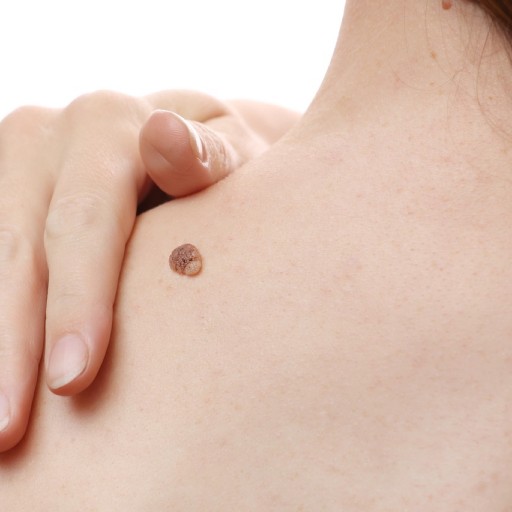
Keep the beauty of moles: Embrace the sign of nature
Although modern medicine provides a variety of ways to remove moles, more and more people choose to accept moles and even regard them as a unique sign of their own. Some facial moles can also add unique charm to your face.
If the mole does not threaten your health and does not seriously affect your mental state, "keeping" may be a more natural and confident choice. Through makeup, skin care and even clothing matching, moles can completely become a personality label.
Conclusion: Your choice, your decision
There is no absolute correct answer to "remove" or "keep" moles. Everyone has the right to make a decision based on their own situation and needs. It is important to find a balance between aesthetic needs and health protection, and manage the existence of moles in a scientific way.
No matter which method you choose, don't ignore your recognition and confidence in yourself, because moles are only part of your appearance, and true beauty comes from inner calmness and calmness.
In this choice of "remove" and "keep", I hope everyone can find the answer that suits them and be responsible for their own health and beauty. No matter what the final choice is, remember: confidence and health are the most important capital for beauty.
Advertisement