Advertisement

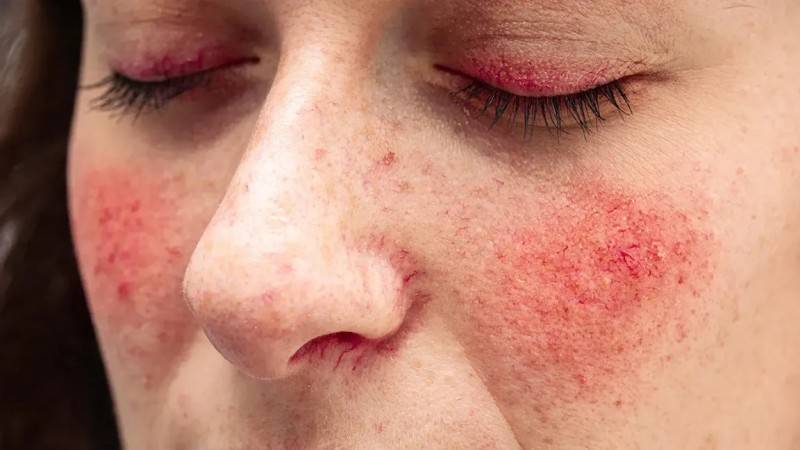
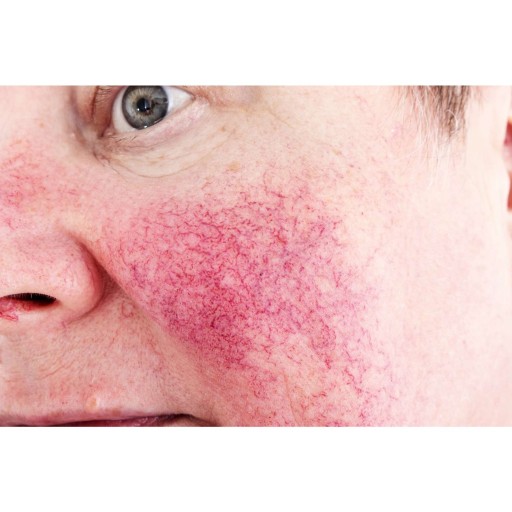
Redness is a common skin problem that mainly manifests as dilated capillaries on the face, forming a distinct reddish texture, which is especially more conspicuous when there are temperature changes, emotional fluctuations or external stimuli.
Although redness does not directly affect physical health, it may cause distress to an individual's appearance and psychology.
Maintain proper temperature and humidity
Red-blooded skin is extremely sensitive to temperature changes, and cold wind, heat, and dry air can aggravate symptoms. Therefore, controlling the ambient temperature and humidity is especially important to protect sensitive skin.
In the cold season, wear a scarf to protect your face when you go out and try to avoid direct exposure to the cold wind; while in the hot summer months, you need to be careful to avoid prolonged exposure to the sun and use sun hats and umbrellas to shield your skin from the strong sunlight.
In addition, the humidity of the indoor air is also of concern. Dry air can exacerbate the loss of moisture in the skin, making redness more visible. Using a humidifier to regulate indoor humidity while keeping the room ventilated can provide a comfortable environment for the skin and mitigate the risk of capillary dilation.
Scientific Cleansing and Gentle Skin Care
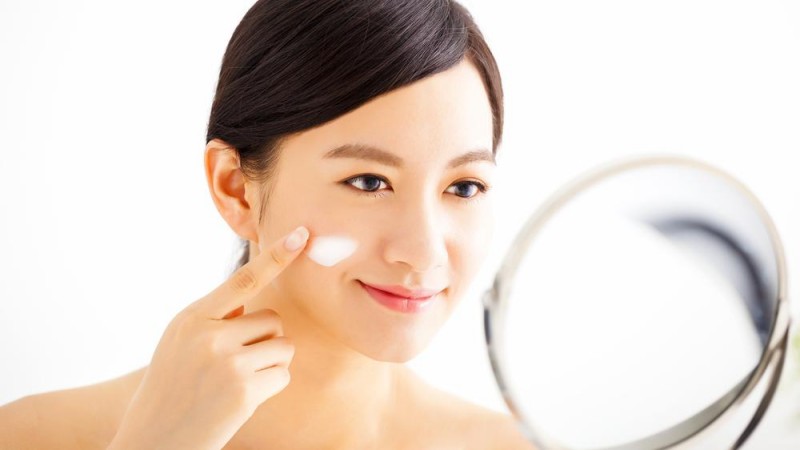
Skin cleansing is the foundation of maintenance, but over-cleansing may be counterproductive for red-blooded skin. Use mild, non-irritating cleansing products and avoid cleansers with alcohol, acidic or alkaline ingredients.
The temperature of the water used for cleansing should be appropriate. It is recommended to use lukewarm water close to body temperature, which will not stimulate capillary dilatation but also clean away excess oil and dirt.
In daily skincare, products with exfoliating function should be avoided, as these products will damage the skin's barrier function and aggravate sensitivity problems.
You can choose skin care products with restorative properties, such as moisturizers with ingredients like ceramides or panthenol, to help strengthen the skin barrier and reduce the impact of external stimuli on the skin.
Adjust your diet to strengthen capillary toughness
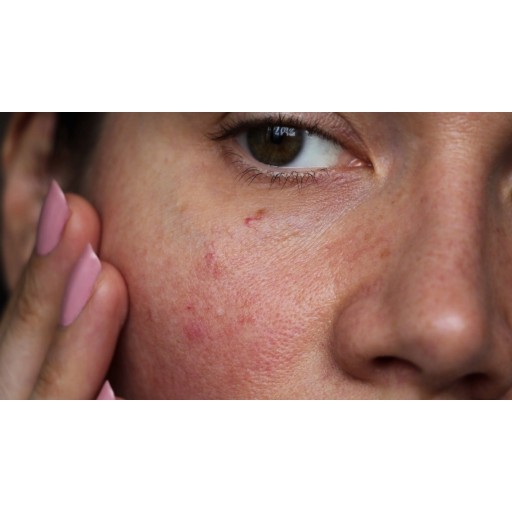
Diet has a significant impact on skin health. To reduce redness, you can start by improving your diet to increase capillary toughness and reduce the likelihood of dilation.
First, you should increase your intake of foods rich in vitamin C and vitamin E. These nutrients promote collagen synthesis and enhance the elasticity of blood vessel walls.
Vitamin C-rich foods include oranges, lemons, kiwis, etc., while nuts, spinach, etc. contain high levels of vitamin E. In addition, flavonoids can also help to improve the condition of blood vessels, and fruits such as blueberries and grapes can be consumed in moderation.
Secondly, avoid spicy and stimulating foods as well as alcoholic beverages. Spicy foods such as chili peppers and hot pots can irritate the skin and cause facial flushing, while alcohol can dilate blood vessels and aggravate the symptoms of redness.
Drinking green tea or herbal tea in moderation can help balance the inflammatory response in the body, which has a supporting effect on sensitive skin.
Regular routine and stress management
Advertisement
A disorganized routine and excessive stress can lead to an imbalance in the body's hormone levels, which can affect skin health. In particular, prolonged late nights or mood swings may aggravate the redness problem. A regular routine can help keep the body's endocrine system in balance and reduce the chances of skin problems.
Also, learning to manage stress is an essential step. Through methods such as deep breathing, yoga or meditation, you can relieve mental stress and reduce the impact of emotional ups and downs on your skin. Maintaining a relaxed state of mind will not only help improve redness, but will also benefit your overall health.
Avoid excessive exercise and strenuous activities
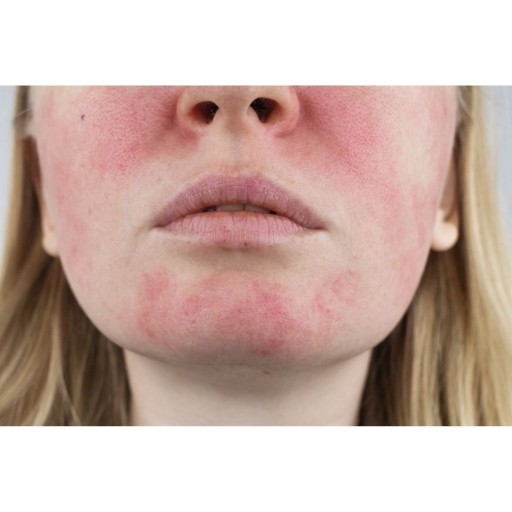
While moderate exercise is good for the body, too much strenuous exercise for red-blooded skin may cause facial congestion and increase the visibility of redness. It is recommended to choose mild forms of exercise, such as walking, yoga or tai chi, to achieve a workout effect without over-stimulating the capillaries.
If you do need to do high-intensity exercise, you can use a cold towel to apply a light compress to your face after exercise to help shrink capillaries and relieve skin congestion.
Avoid direct stimulation and protect the skin barrier
Red-blooded skin has a weaker barrier function and is more susceptible to external stimuli. In daily life, try to avoid contact with chemicals that may cause irritation, such as skin care products containing fragrances or preservatives, and poor-quality cosmetics. At the same time, reduce the frequency of makeup to give your skin enough time to repair.
When using cosmetics, choose products with simple ingredients that have been developed for sensitive skin, and avoid heavy foundations or concealers that may clog pores and aggravate the skin. Remove makeup in the same gentle manner and do not rub vigorously to avoid irritating capillaries.
Stick to sunscreen to minimize UV damage
UV rays are one of the most important external factors that trigger redness, so sun protection is essential. Using sunscreen products suitable for sensitive skin and choosing physical sunscreens over chemical sunscreens can reduce skin irritation. When going out with the use of parasols, hats or masks, to further block the direct exposure to ultraviolet rays.
Long-term adherence to sunscreen can not only reduce redness, but also effectively prevent photoaging and help skin maintain a healthy glow.
Adequate hydration to maintain skin hydration
Dry skin will make redness more obvious, so it is especially important to keep the skin in a hydrated state. In your daily life, in addition to hydrating your body by drinking water, you can also use a mist or moisturizing mask to provide extra moisture support for your skin.
It should be noted that the spray should be patted until absorbed or gently pressed dry with a tissue after use to avoid taking away the moisture inside the skin as it evaporates on the surface of the skin, which can lead to more serious dryness problems.
Regular professional skin care
If the redness is more severe, consider seeking the help of a professional dermatologist. Through scientific diagnosis, doctors are able to suggest effective treatments for individual conditions, such as pulsed light therapy and laser therapy, which can work directly on dilated capillaries to alleviate the redness problem at its root.
However, it is important to note that any treatment plan should be carried out under the guidance of a doctor, and avoid trying unproven methods on your own to avoid further damage to the skin.
Although redness on the face is bothersome, its symptoms can be effectively reduced through scientific lifestyle adjustments and proper skin care. Whether it is paying attention to environmental temperature, dietary adjustments, or choosing the right skin care regimen, long-term persistence is required to see results.
By gradually improving the skin barrier and strengthening the toughness of capillaries, we believe that everyone can regain a healthy and confident skin condition.
Advertisement